JUN 21 2020
By Hannah Lee, Director of Community Engagement
When you think of refugee crises around the world, what comes to mind? If Ukraine didn’t make the list, you’re in good company; in fact, the conflict in Ukraine is often referred to as a hidden humanitarian crisis.
Hidden in plain sight
Unlike many displaced people around the world, many displaced Ukranians don’t live in refugee camps. Instead, they find shelter in deserted apartment buildings, old dormitories, and rundown sanatoriums on the outskirts of war-torn regions. This hides the reality that hundreds of thousands of Ukranians are displaced and living in dangerous, war-damaged buildings, many of which lack heat, electricity, and even running water.
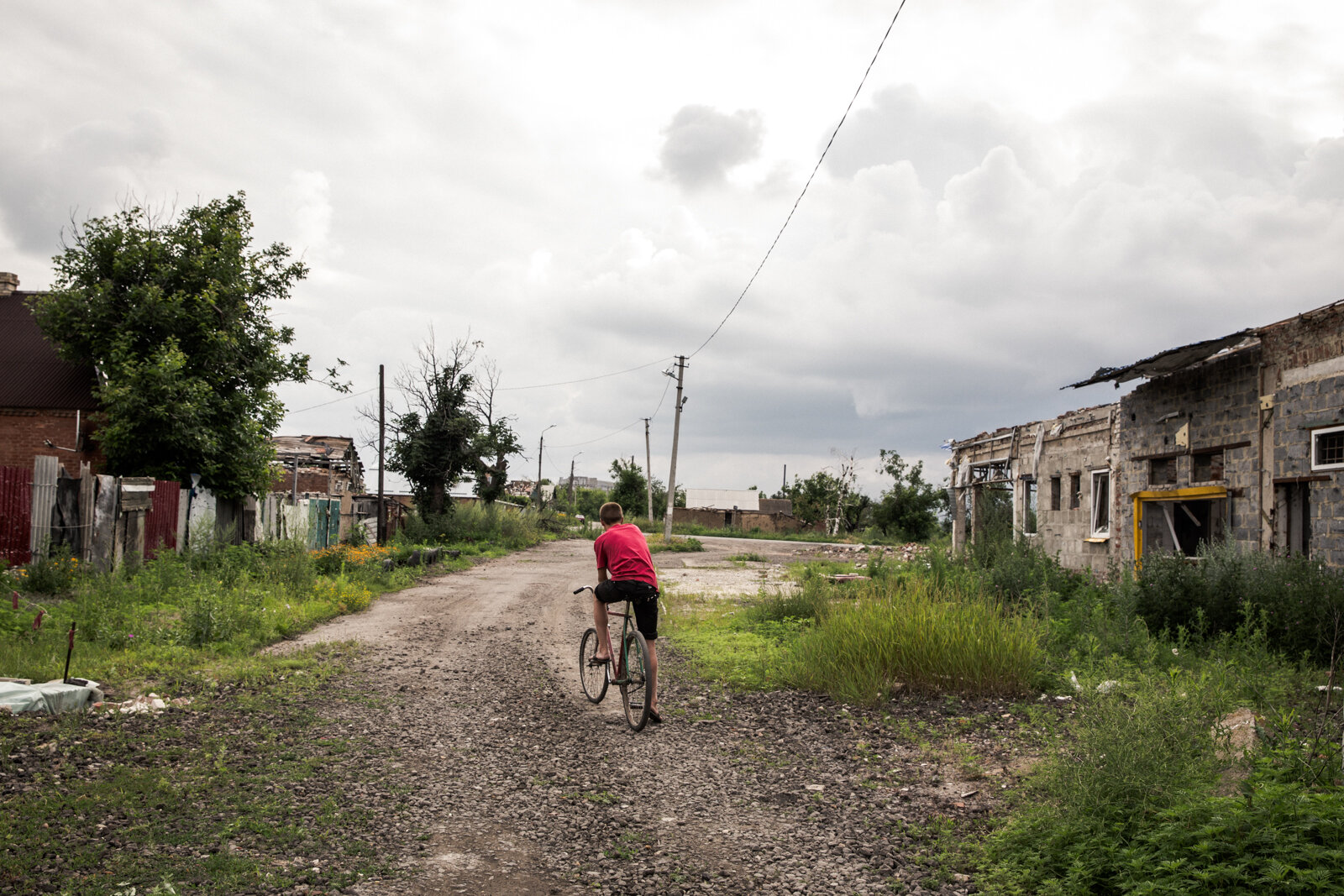
The crisis in Ukraine extends back to 2013, when protests in the capital city of Kiev erupted following the country’s decision to refuse further integration with the European Union. When state security forces responded with force against these protests, the protests grew more violent. By early 2014, these protests had become so dangerous the Ukranian president fled, creating an opening for Russia, Ukraine’s neighbor, to step in.

Russian soldiers quickly took control of Ukraine’s Crimean region, a peninsula sandwiched between southeast Ukraine and Russia’s western border. This move heightened already distinct ethnic divisions, especially between Ukranian speakers and Russian-speaking Ukranians.
As a result of Russia’s newfound control, pro-Russian separatists living in the Crimea region declared independence from Ukraine in order to join Russia.
Following this declaration, a violent conflict between Pro-Russian separatists and the Ukrainian military broke out. Since April 2014, more than 10,300 people have been killed and over 24,000 injured.
In 2015, France, Germany, Russia, and Ukraine established the Minsk Accords, an agreement that called for a total cease-fire and gave back control of the Crimea region to Ukraine. Despite this ceasefire, the conflict continues, and the fallout from the violence is immense throughout the entire country.
The impacts of conflict
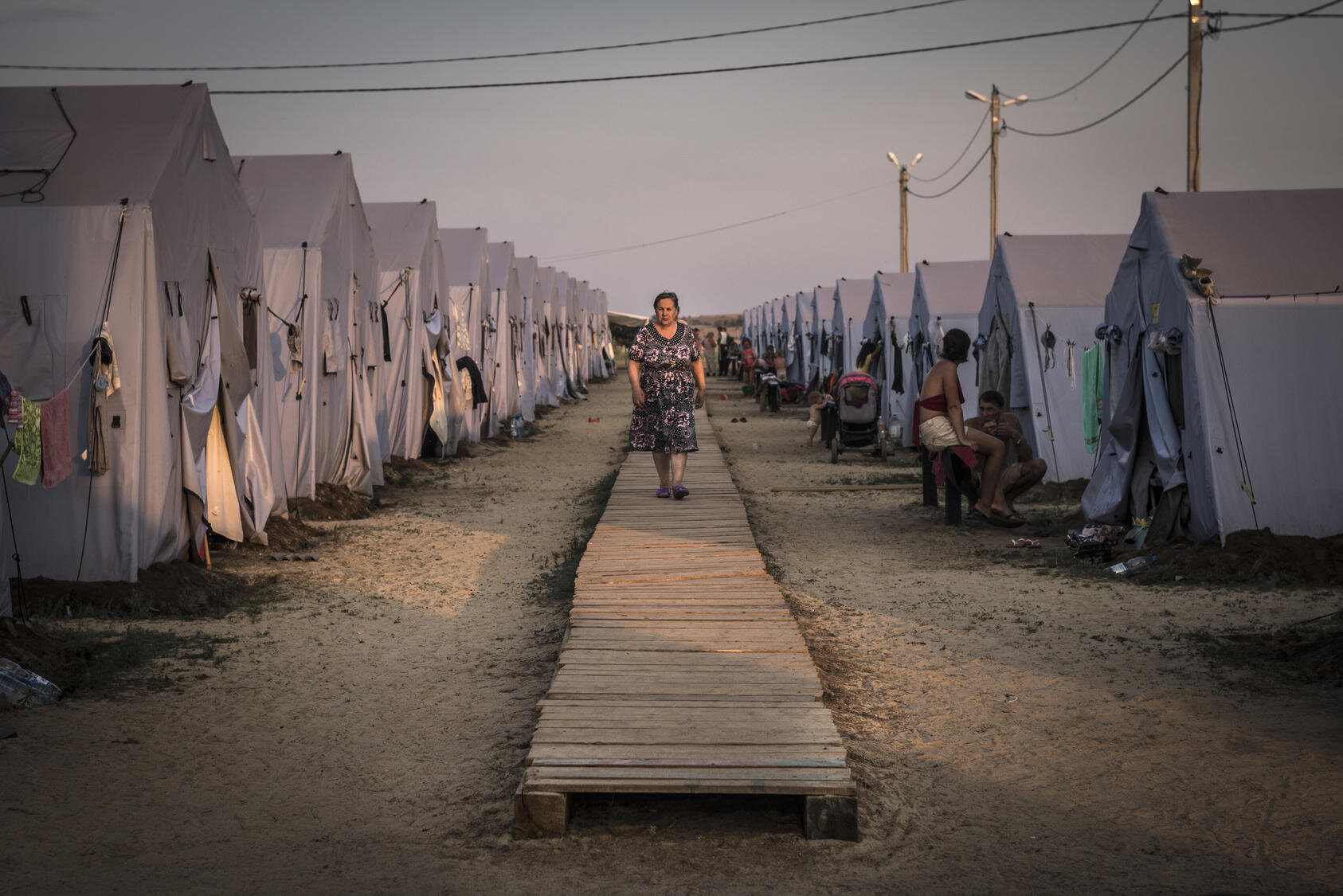
Many who live in areas near the conflict zone continue to experience gunfire on a daily basis. Over 2 million Ukrainians have been displaced from their homes due to this conflict. The majority of Ukranians forced to flee their homes due to the conflict are internally displaced people, or IDPs. IDPs are refugees who do not cross international borders, but live displaced within their home country.
Even still, an estimated one million Ukrainians have been forced to flee to neighboring countries to find safety, many fleeing their home country with only the clothes on their back.
The Ukranian crisis reflects an important reality: there are devastating crises and conflicts around the world that many of us have never even heard of. There are 26 million refugees worldwide — and this number continues to grow. This is why we want to advocate for the United States to continue serving as a safe haven for refugees.
Please join us in asking our elected officials to support refugee resettlement in the United States. Every voice matters. We are stronger together. Find out more about how you can use your voice right now and help us continue to welcome refugees home here.
To learn more about the Ukranian conflict and ongoing refugee crisis, visit here or check out:
https://www.cfr.org/global-conflict-tracker/conflict/conflict-ukraine
Responses