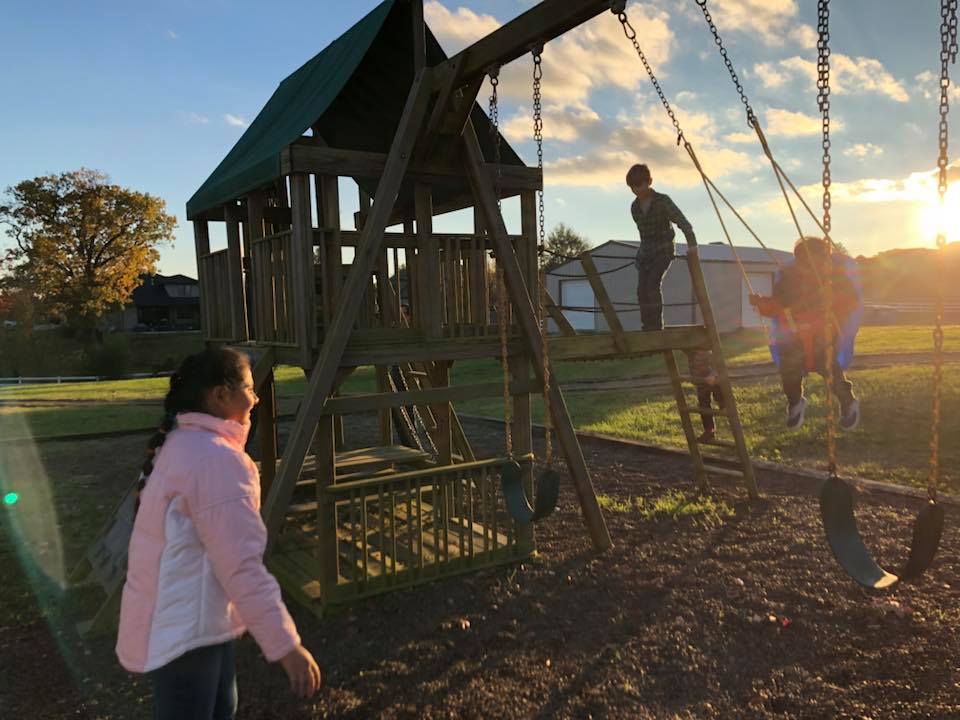
Just like that, it’s February and 2019 is officially underway! We’ve got lots of exciting things planned for this year: a trip to Washington DC to meet with our elected officials, a series of health and nutrition classes in partnership with Brightwater, a series of community orientation workshops in partnership with Tyson Foods— not to mention all of our fabulous ongoing activities like our After School Buddy program or the upcoming Refugee Camp Experience with Students for Refugees.
But our biggest— and maybe most exciting— project for the year is one we haven’t told you about yet: our Long Welcome Plan.
Up until now, our focus has been on helping our refugee families get on their feet in the first 90-180 days after they arrive and, thanks to you all, we’ve been able to do a pretty exceptional job of that! By the time we close our families’ cases, they are financially self-sufficient and able to navigate basic resources in the community on their own. They can get by day to day without help from us, which is pretty remarkable considering many of them come here with no English and absolutely no connections to the community.
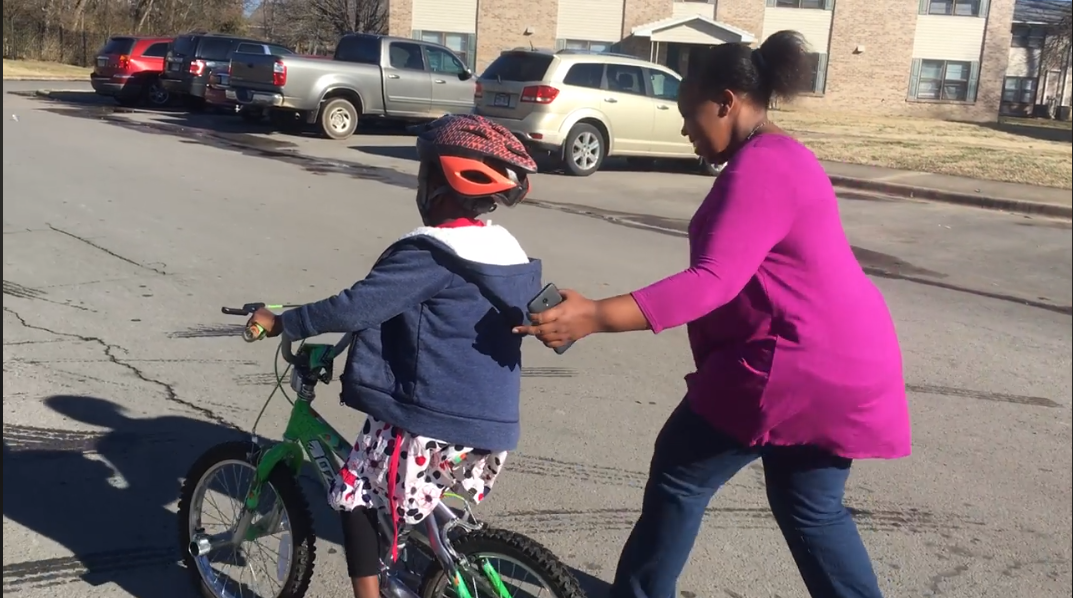
But getting by is a far cry from what we want for our families. We want all of our families to become full, contributing members of our community, to truly belong here and to build the futures that they envision for themselves here. And that is a much longer journey, one that takes years— not months— one that requires a much bigger vision, a lot more resources and a far wider network of partnerships.
Two years into this work, it’s time for us to start thinking about what that should look like, about what it means for our community to continue to welcome and support our families along their journeys for the long haul.
The Long Welcome.
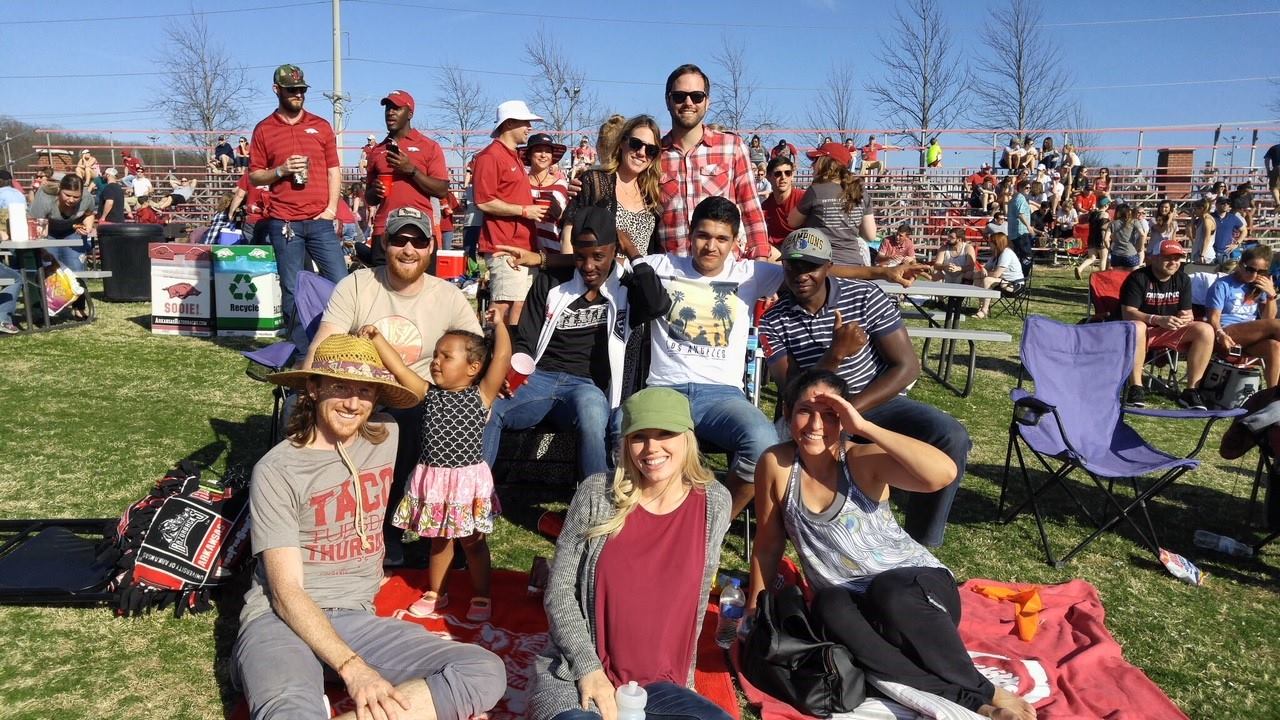
But what does that mean? What should it look like? What resources and partnerships do we need to make it happen? That’s what we’re committing to find out this year. Over the next 4-5 months, we’re going to be working with some terrific partners to develop a Long Welcome Strategy. This strategy will lay out a vision for how we at Canopy can collaborate with all of you in our community to support and surround refugee families along their journeys toward full integration. It will outline new partnerships we need to develop, new programs we need to fund and new resources we need to make available to our families.
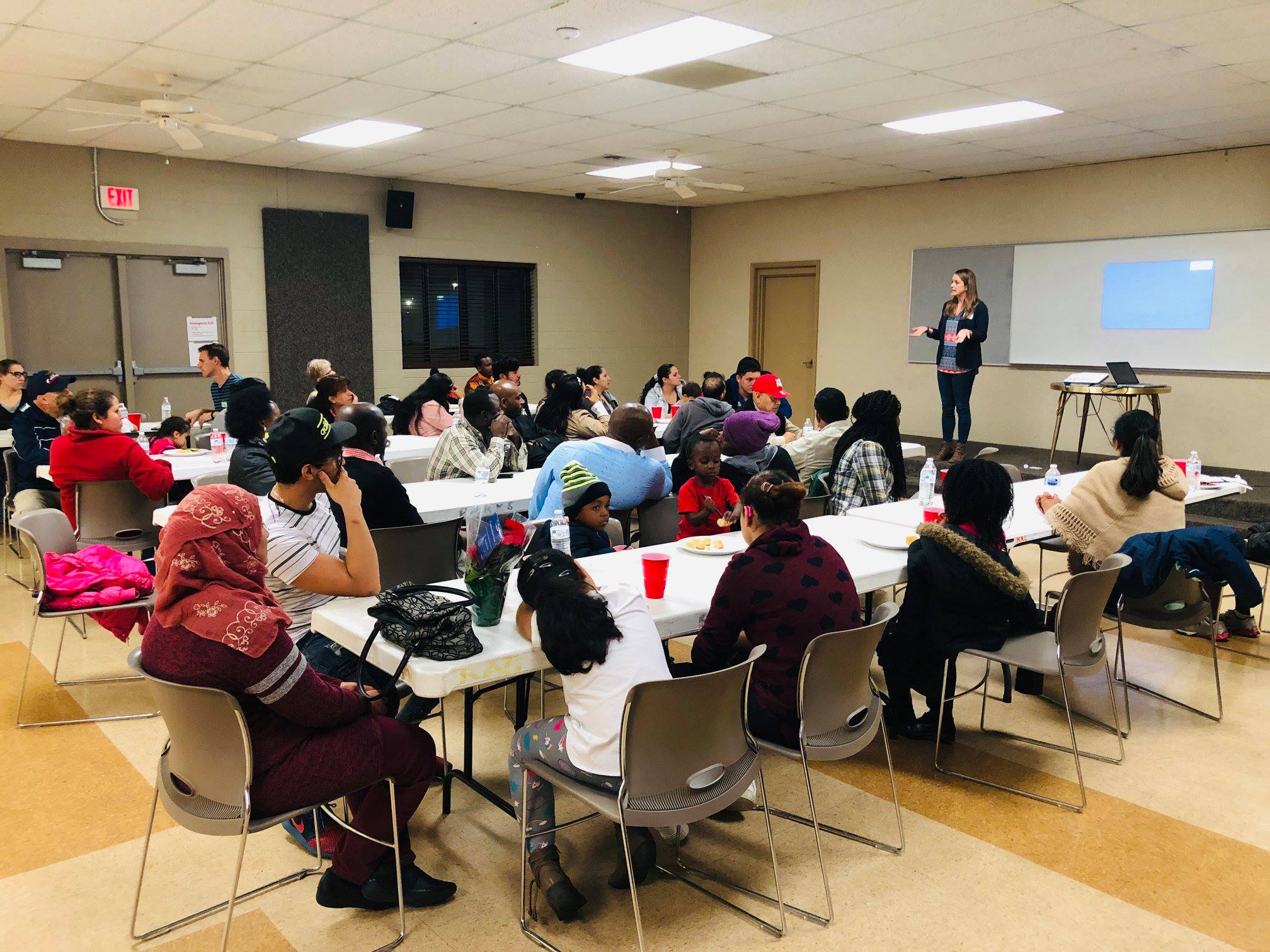
We think the most important voices in this process are those of our refugee clients and we’ve already had the chance to sit down and listen to over a dozen of them— male and female, young and old, from the Congo, Iraq, Cameroon and Ukraine— as they’ve shared their ideas and vision with us. We’ve also had the chance to hear from some of our co-sponsors and community partners, and we’ll continue to work closely with them as this plan comes together.
But we also want to hear from you. In fact, we need to hear from you! Yes, you, whoever you are, reading this post right now. What does refugee integration look like to you? What does it mean for your refugee neighbors to belong to our community? What do you want to see from them? What do you want to see from us? Let us know your thoughts by taking this short 4-question survey.
Thank you for joining with us as we chart our course for a Long Welcome here in Northwest Arkansas. Stay tuned as we update you on our progress!
Responses